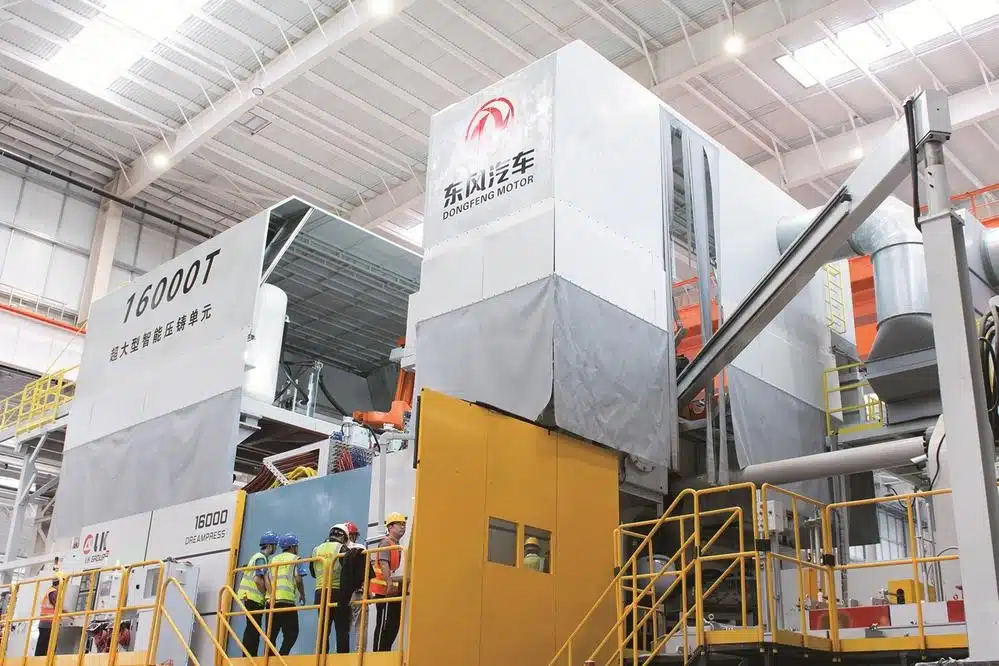
Vacuum Die Casting for Giga Castings: Entering the 50M bar Era
Vacuum die casting is becoming the core technology behind giga castings. Learn how 50 mbar high vacuum, dual-loop systems and full-process control improve quality.


Vacuum die casting is becoming the core technology behind giga castings. Learn how 50 mbar high vacuum, dual-loop systems and full-process control improve quality.

Troubleshoot 10 common die casting defects with our expert guide. Explore the causes and solutions for chemical, mechanical, and dimensional issues to improve part quality.
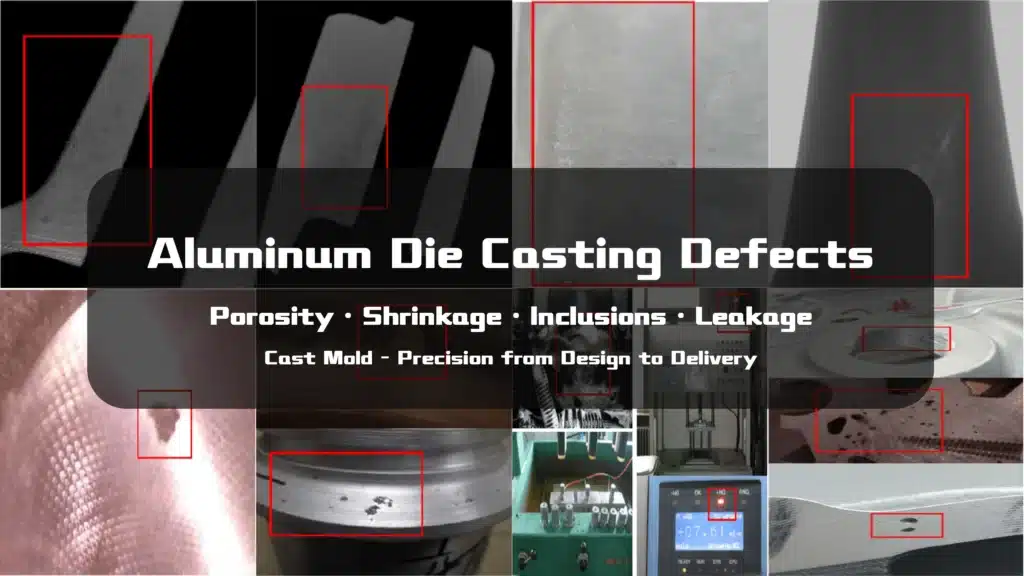
Troubleshoot aluminum die casting defects fast. See 8 internal issues—gas/shrinkage porosity, inclusions, pinholes, leakage—with causes, diagnostics, and fixes.
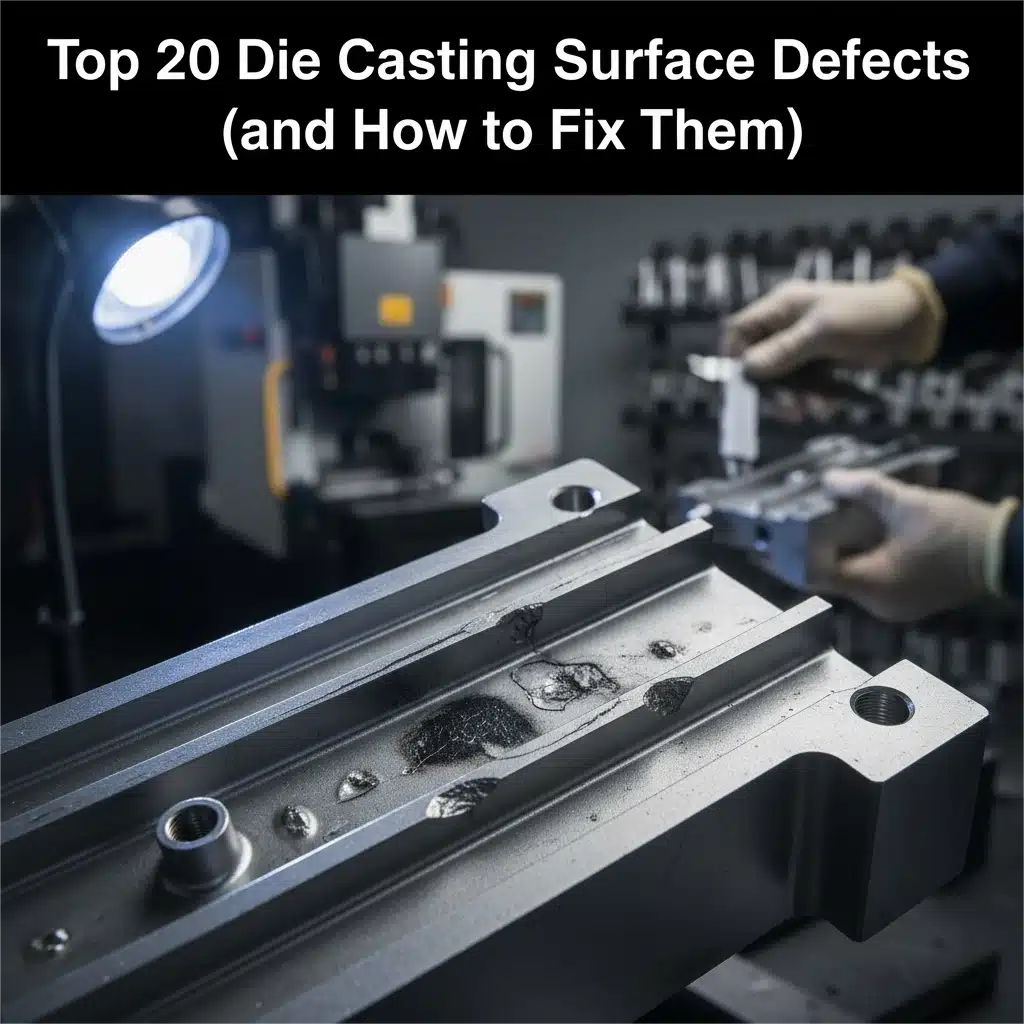
Identify 20 common die casting surface defects with root causes, quick diagnosis, and proven corrective actions for process, mold, and post-processing.
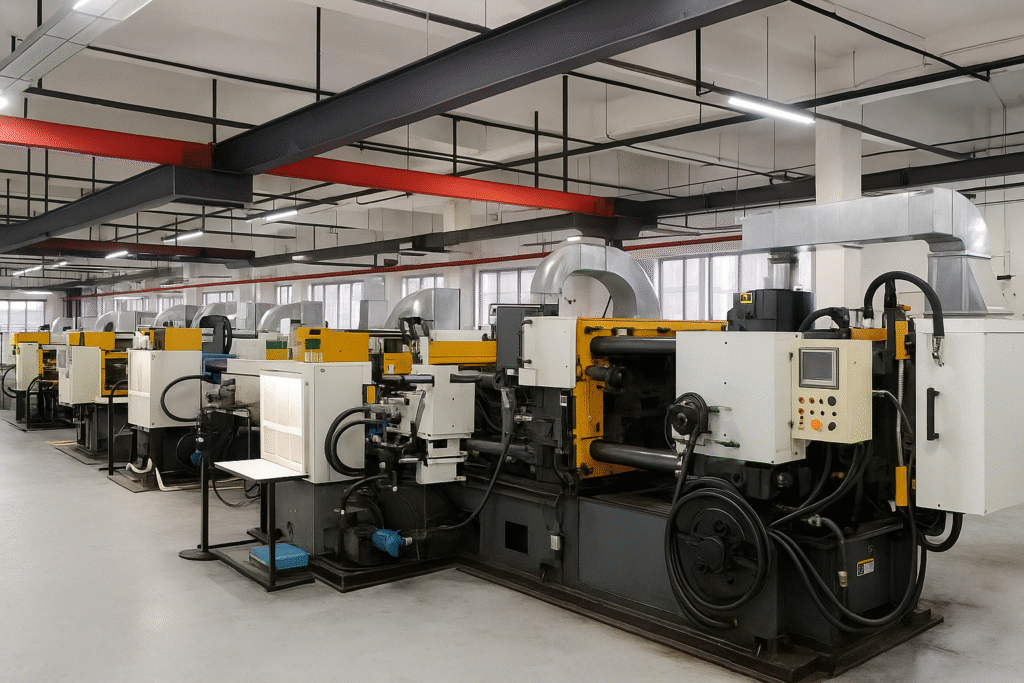
Engineer’s guide to HPDC: machines and alloys, runner/ingate design, slow-/fast-shot setup, melt & die temperatures, vacuum porosity control, tolerances, cost and lead time.
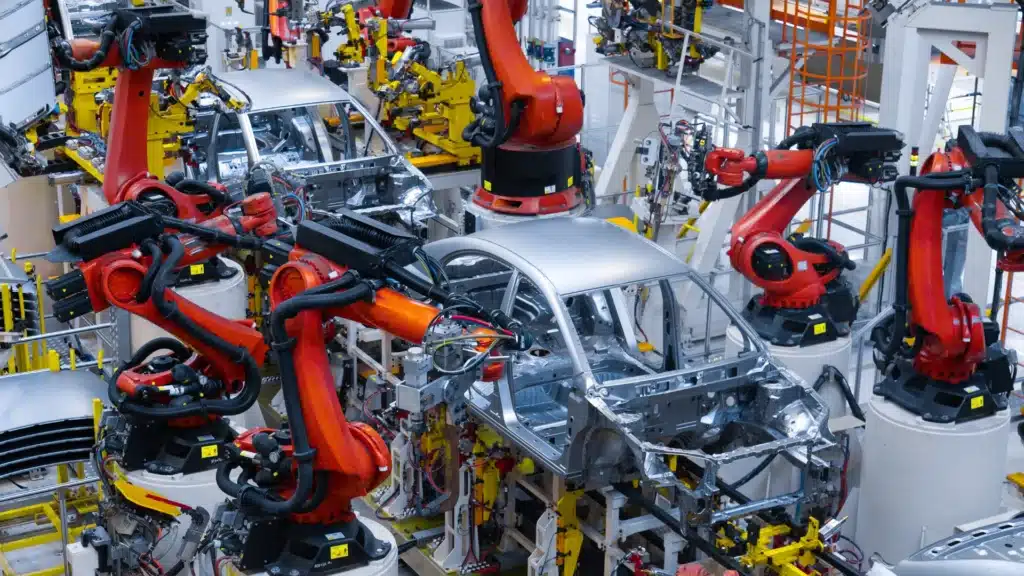
Car pillars (A/B/C/D) explained: roles in the safety cell, how they manage crash loads, and why steel vs aluminum matters

Cast aluminum vs cast iron compared—weight, stiffness, thermal expansion, machining, durability, coatings (liners vs plasma spray), and cost. A practical selection guide for engine blocks and industrial castings.
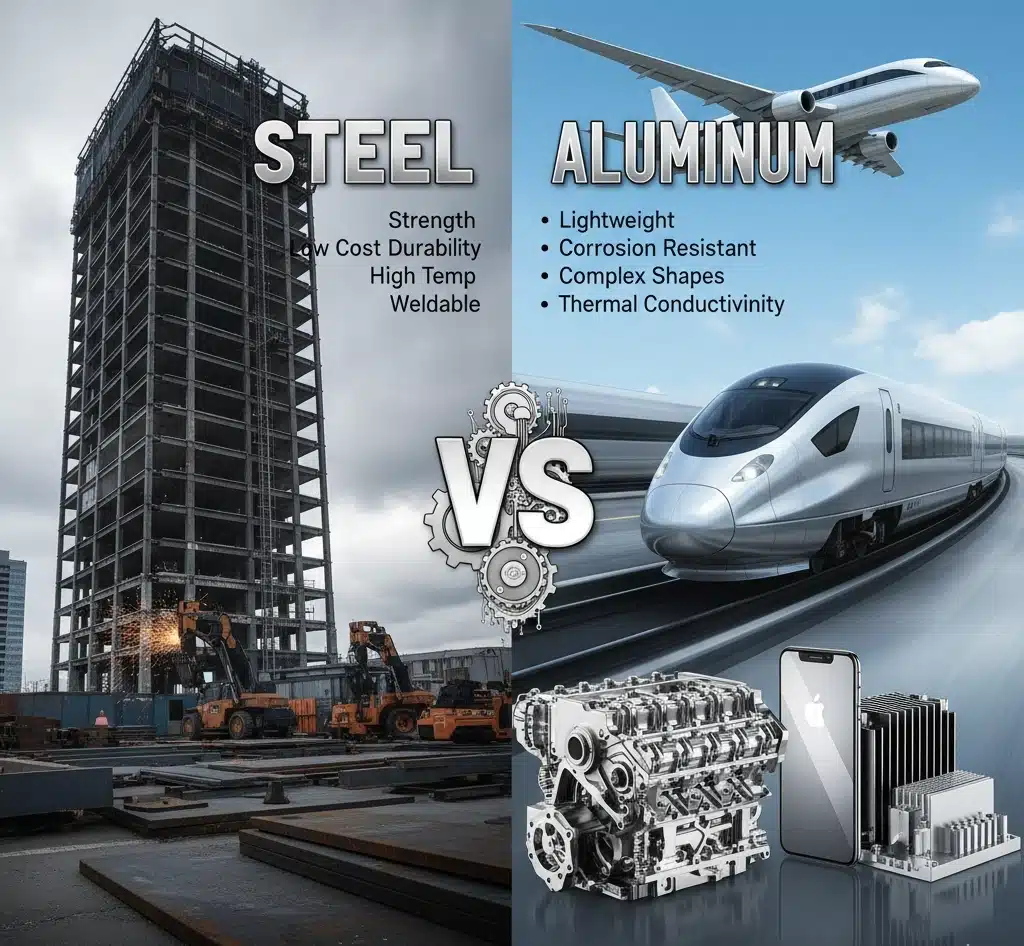
Steel vs aluminum: compare properties, cost, and manufacturability with an easy matrix—choose steel for rigidity or aluminum for weight savings.
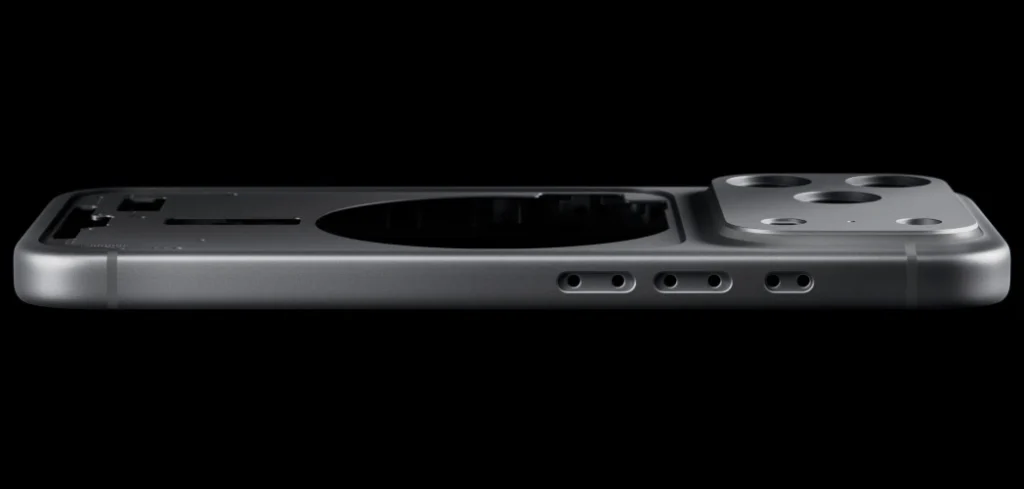
iPhone 17 Pro’s 7000-series aluminum unibody and integrated vapor chamber rebuild the thermal path for A19 Pro and on-device AI—delivering higher sustained performance, lighter weight, and scalable manufacturing.
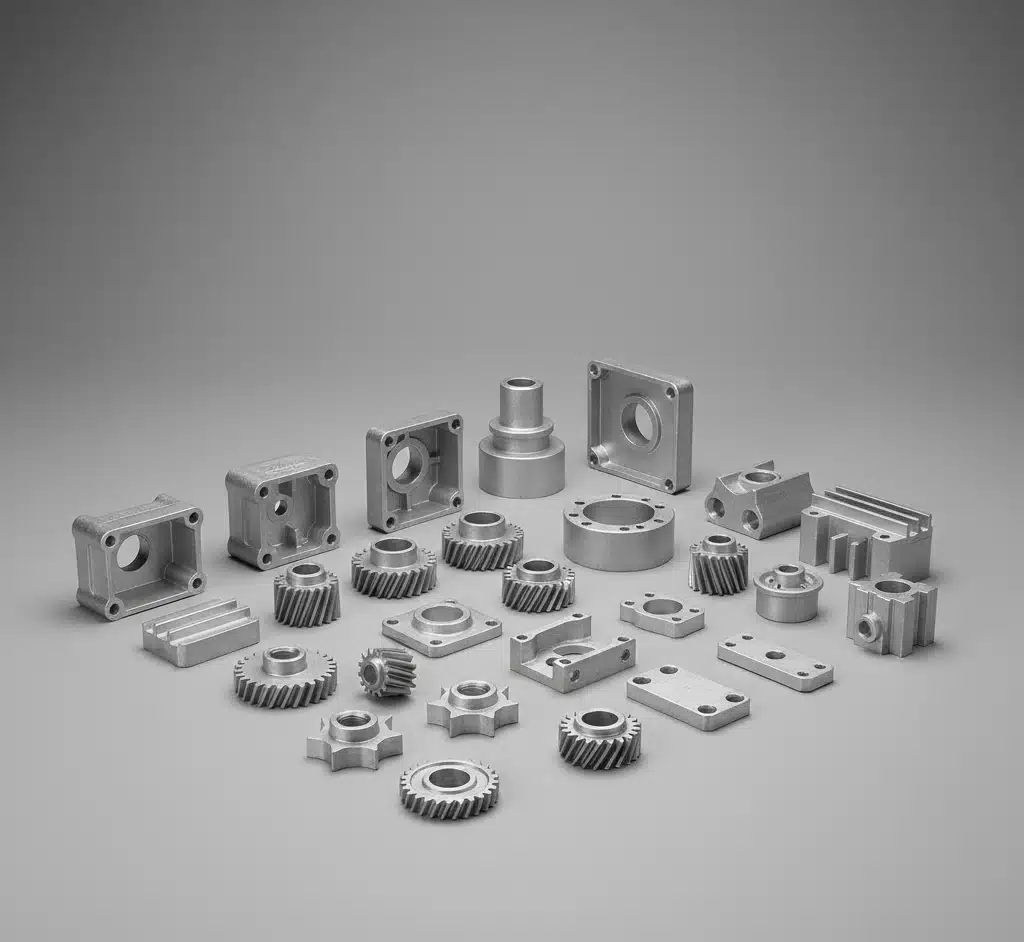
Zamak alloy in zinc die casting: why it wins on thin walls, cycle time, die life, plating-ready finishes, and repeatability—plus grades, DFM tips, and use cases.