Why Die Casting is Critical for the Automotive Industry
The automotive industry is rapidly evolving, with a growing emphasis on lightweight materials, fuel efficiency, and electric vehicle innovation. Aluminum die casting plays a vital role in meeting these demands by enabling manufacturers to produce high-strength, precision components at scale. As global automakers strive for weight reduction and structural performance, aluminum die casting has emerged as a preferred solution for a wide range of vehicle parts.
What is Aluminum Die Casting?
Aluminum die casting is a manufacturing process that involves injecting molten aluminum into a steel mold (die) under high pressure. This technique allows for the creation of complex, dimensionally accurate parts with excellent mechanical properties. The most common method used in automotive manufacturing is high-pressure die casting (HPDC), known for its efficiency and precision.
Aluminum alloys such as ADC12 and A380 are commonly used due to their strength, corrosion resistance, and castability. Compared to low-pressure die casting or sand casting, HPDC offers faster cycle times and better surface finish, making it ideal for automotive applications.
Advantages of Using Aluminum Die Casting in Automotive Manufacturing
Lightweight and Strength
Aluminum components significantly reduce vehicle weight without compromising structural integrity. Alloys like ADC12 offer an excellent balance between weight savings and mechanical performance, contributing to improved fuel efficiency and handling.
Excellent Thermal and Electrical Conductivity
Aluminum’s high thermal conductivity makes it ideal for components such as EV battery housings and inverter enclosures, helping manage heat dissipation effectively.
High Dimensional Accuracy and Repeatability
Die casting ensures consistent quality in mass production. Tight tolerances and high repeatability reduce the need for secondary machining and improve overall assembly reliability.
Cost-Effective for Complex Shapes
Aluminum die casting enables the production of intricate geometries that would be costly or impossible with machining alone. It reduces material waste and shortens production timelines.
Common Aluminum Die Cast Auto Parts
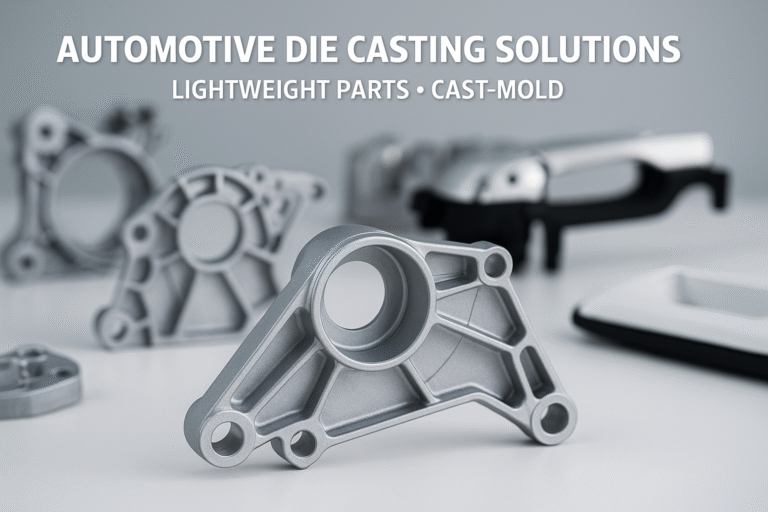
Aluminum die casting is used to manufacture a variety of automotive components, including:
- Engine brackets and mounts
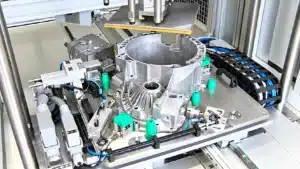
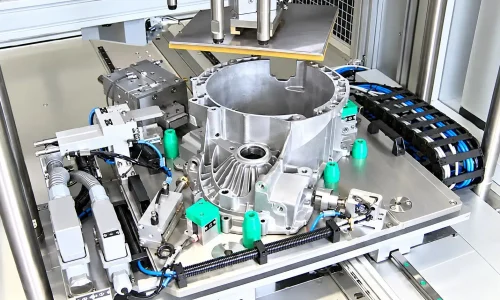
- Transmission housings
- Battery pack enclosures for electric vehicles
- Motor housing components
- Thermal management parts like heat sinks
Cast-Mold has extensive experience producing these parts with ADC12 alloy, delivering high-performance solutions to leading automotive brands.
Case Study – Cast-Mold’s Automotive Success with BYD
Cast-Mold partnered with BYD, a leading EV manufacturer, to produce critical components for their windshield washer systems and EV charging interfaces. Utilizing ADC12 aluminum alloy and high-pressure die casting, Cast-Mold manufactured lightweight, corrosion-resistant parts with tight dimensional control.
The components underwent CNC machining for critical surfaces and were finished with protective coatings to enhance durability. This one-stop solution ensured fast delivery, reduced production costs, and helped BYD maintain high-quality standards in their vehicle line.
Key Considerations When Choosing Aluminum Die Casting for Auto Projects
Alloy Selection
Choosing the right alloy, such as ADC12, is essential for meeting strength, weight, and thermal requirements specific to automotive parts.
Mold Design
Effective DFM (Design for Manufacturability) and mold flow simulations help identify potential defects and ensure a robust casting process from the start.
Surface Finish Needs
Many automotive parts require high-quality surface finishes, such as powder coating or anodizing, to meet aesthetic and corrosion resistance requirements.
CNC Machining Post-Process
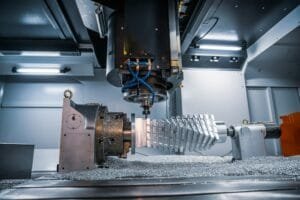
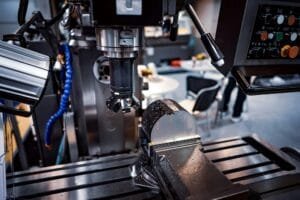
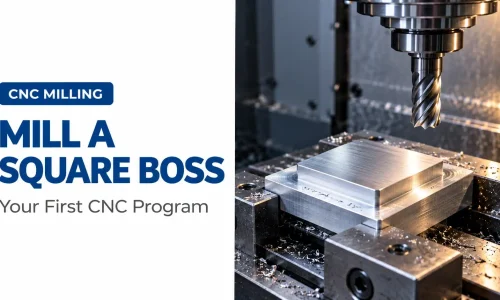
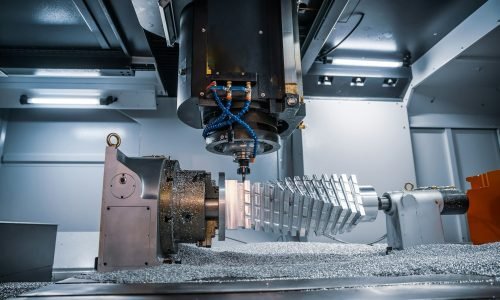
For components requiring tight tolerances or complex features, post-cast CNC machining ensures critical dimensions are achieved accurately.
Why Work with a One-Stop Supplier Like Cast-Mold
Cast-Mold offers complete aluminum die casting solutions, including:
- In-house design and engineering consultation
- Rapid tooling and mold manufacturing
- High-pressure aluminum die casting with ADC12
- Integrated CNC machining and secondary operations
- Surface finishing (anodizing, powder coating, plating)
- ISO 9001:2015 certified quality control
Our experience spans projects with global clients in the automotive, LED, and electronics industries. Whether you’re developing engine components, EV parts, or electronic enclosures, Cast-Mold delivers consistent quality and on-time performance.
Conclusion – Optimizing Automotive Parts with Aluminum Die Casting
Aluminum die casting offers a powerful combination of strength, precision, and efficiency—making it the ideal choice for modern automotive manufacturing. From reducing vehicle weight to enabling the complex geometries required in EVs, aluminum die casting supports innovation across the industry.
Partnering with a trusted, one-stop manufacturer like Cast-Mold ensures seamless execution from concept to finished product. Contact us today to learn how our aluminum die casting services can elevate your next automotive project.