
PVD vs CVD vs ALD: 7 Essential Differences for High-Performance Thin Film Deposition
PVD vs CVD vs ALD explained: principles, process steps, pros and cons, and how to choose the right thin film deposition method for your application.


PVD vs CVD vs ALD explained: principles, process steps, pros and cons, and how to choose the right thin film deposition method for your application.
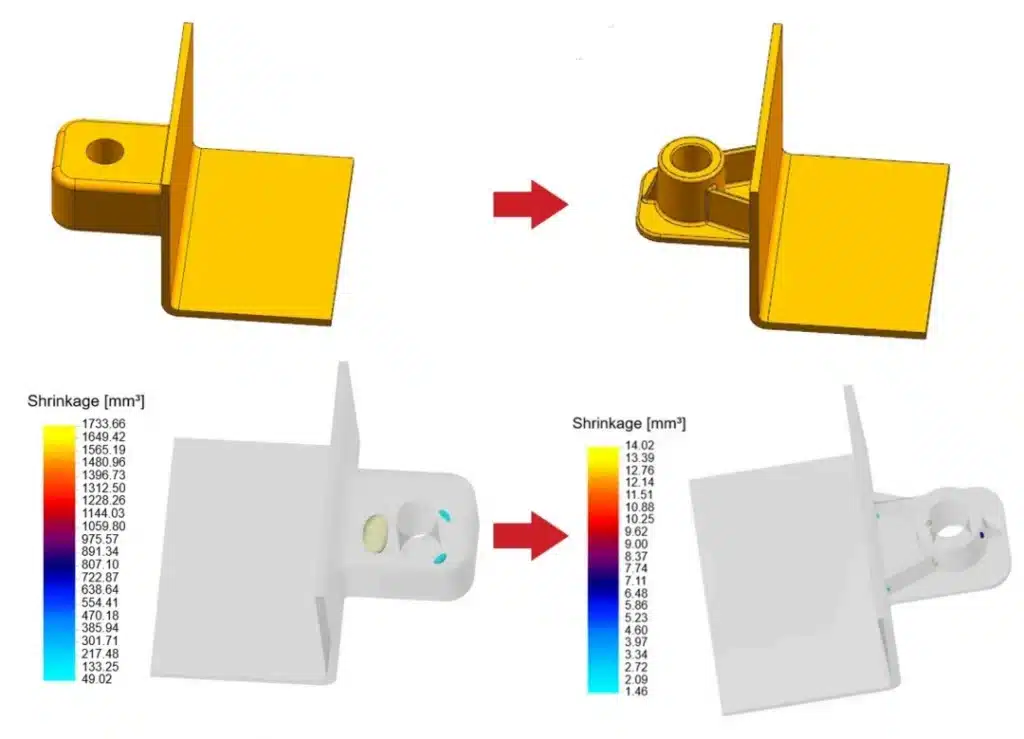
Die casting part design directly determines porosity, distortion, and machining cost. This guide explains 14 structural design principles for DFM & DFA – from wall thickness, ribs, holes, bosses, and logos to machining allowance and assembly-friendly layouts.

Learn the most common surface finishing processes for metal parts – from polishing, shot blasting and electroplating to anodizing and powder coating. This guide explains how each surface finishing process works and how to choose the best finish for die-cast and machined components.
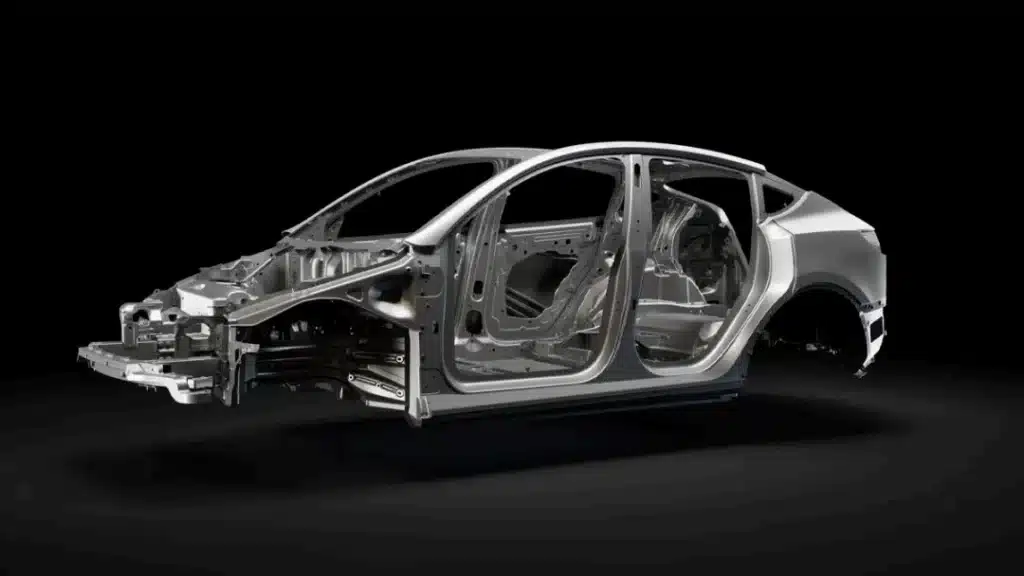
Learn how numerical simulation helps prevent defects in large die castings. 5 powerful lessons from automotive HPDC to cut porosity and stabilize production.
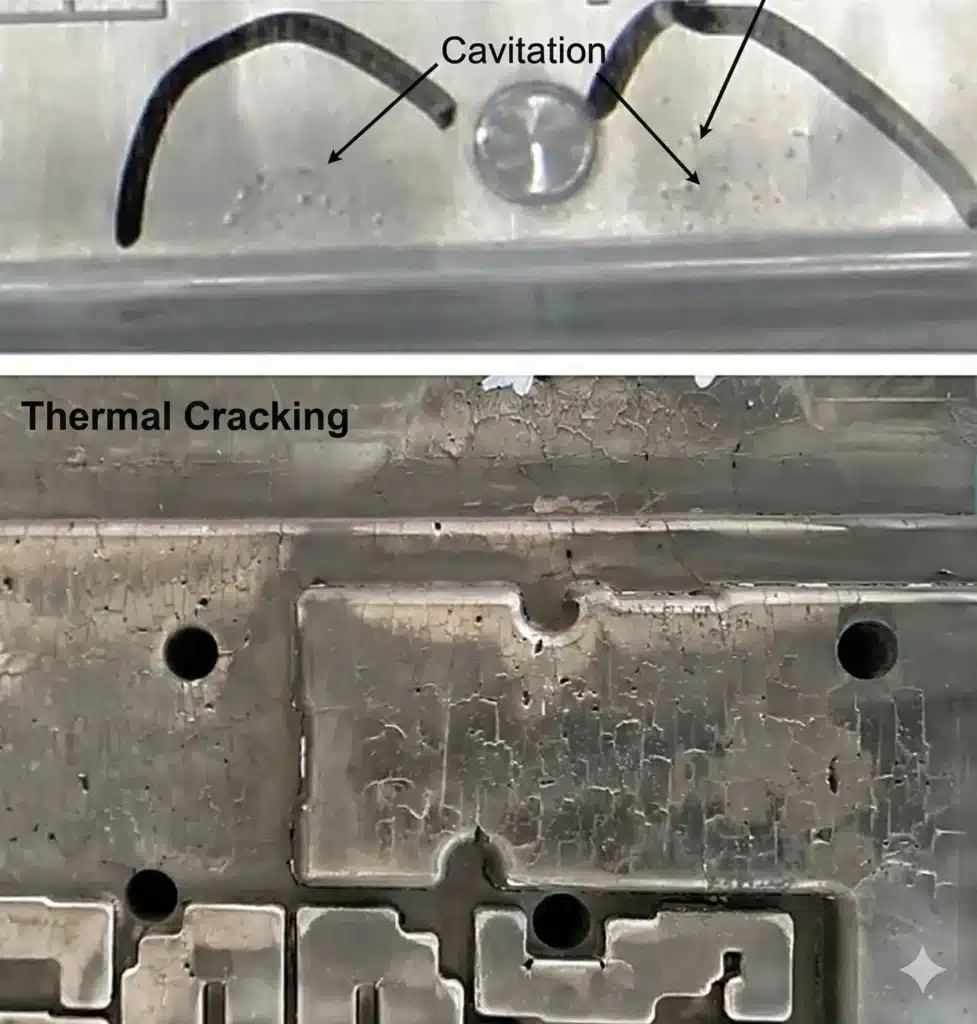
Choosing the right high pressure die casting mold steel is a balance between heat checking, cracking, erosion and cost. This guide explains failure modes, five main hot work tool steel families, and how to match mold steel to real HPDC working conditions.
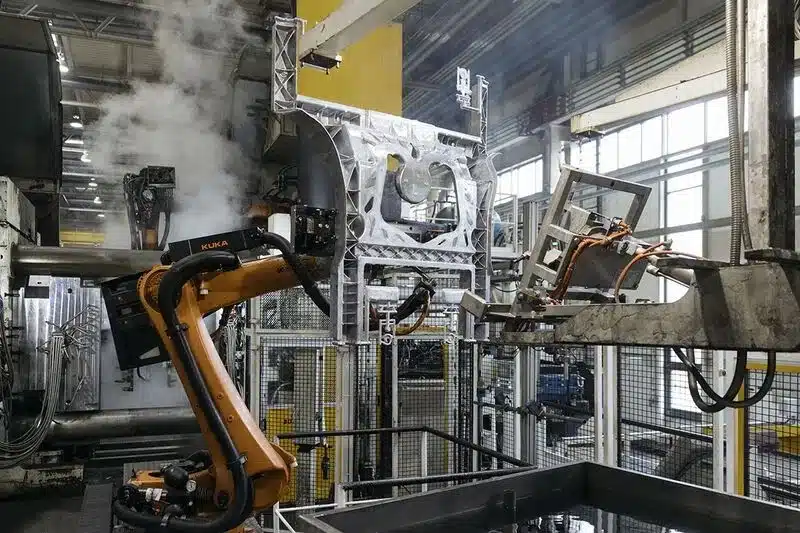
Learn how the Leidenfrost effect, spray methods and process parameters influence die casting release agent performance, mold temperature and part quality.
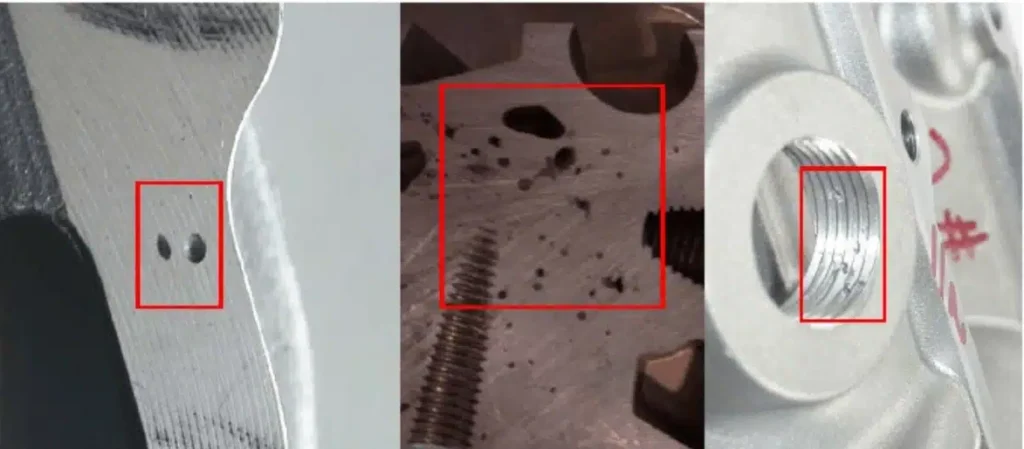
Die casting shrinkage porosity and shrinkage cavities weaken HPDC parts and cause leaks. Learn 9 critical causes and proven fixes in design, gating, cooling, and pressure feeding.

Die casting porosity is a frequent defect in aluminum and zinc parts. Learn what it is, why it forms, and how to prevent it with process and tooling fixes.
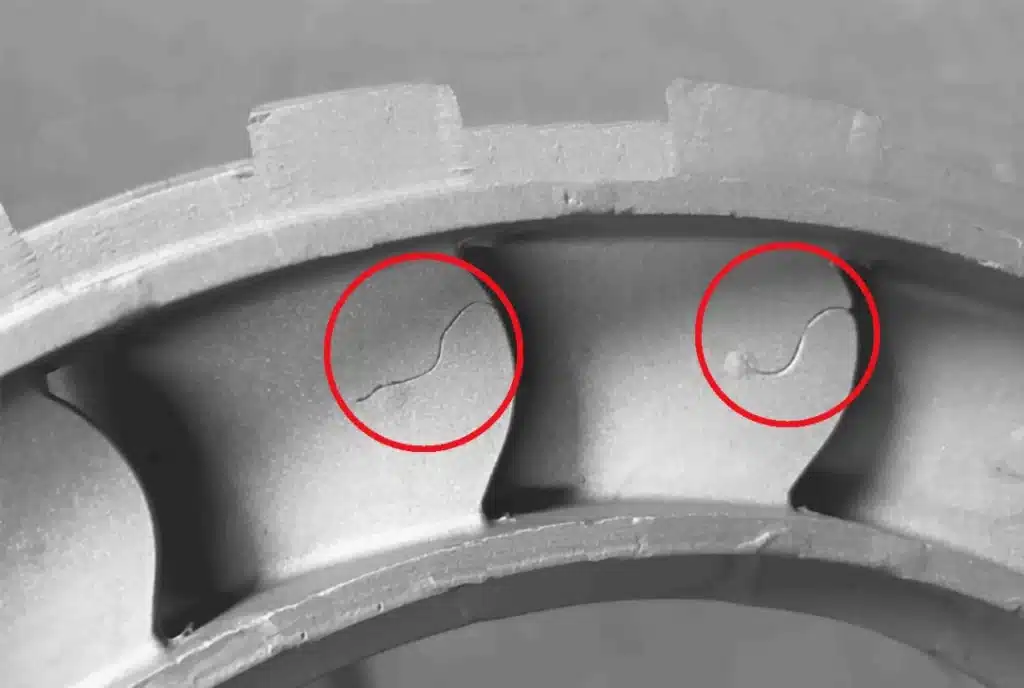
Die casting cold shuts reduce strength and appearance. Learn what causes them and how to prevent them through mold design, temperature, venting, and shot tuning.
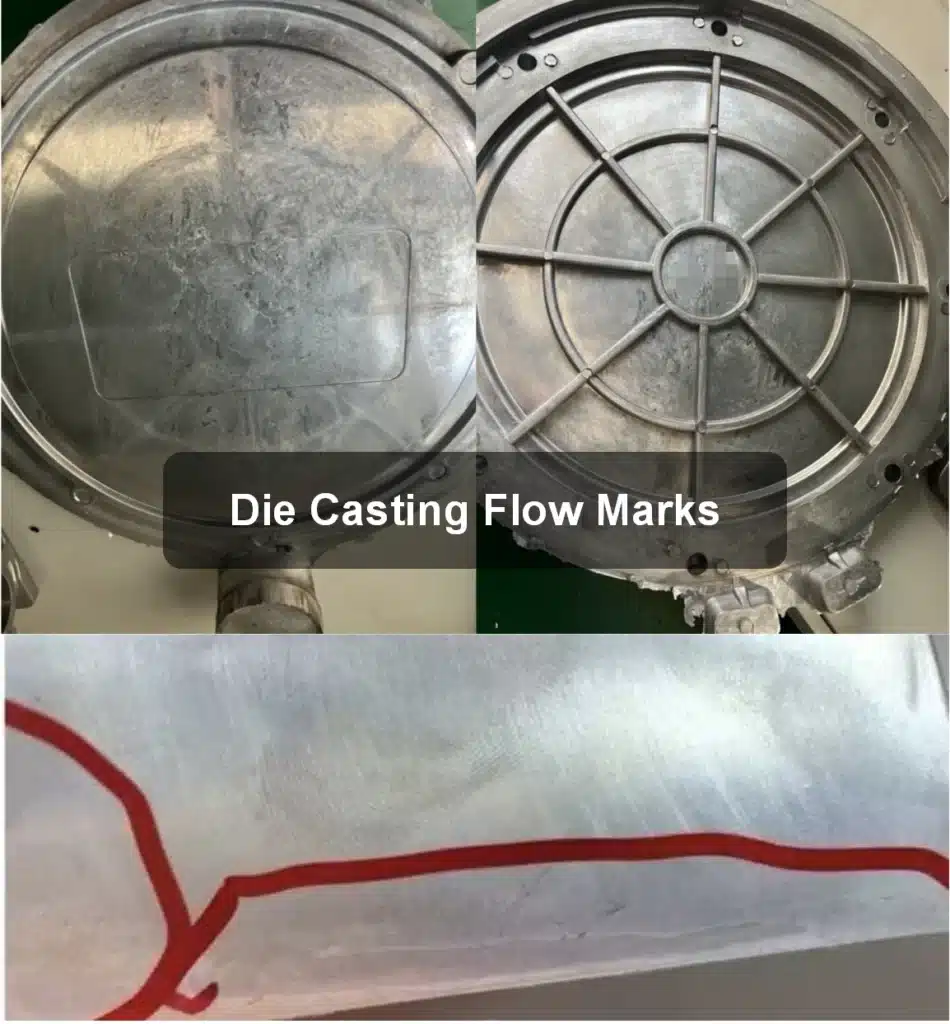
Learn what die casting flow marks are, why they form, and how to eliminate them through mold design, temperature control, shot settings, and case fixes.